
A car AC leaks can quietly drain your system’s refrigerant, reduce cooling efficiency, and lead to costly damage if not detected early making timely car ac leak repair essential for comfort and performance.
If you’ve ever stepped into your car on a hot day expecting a blast of cool air but instead felt warm, weak airflow, you already know how frustrating AC problems can be. Many drivers ignore the early warning signs, thinking it’s just a temporary issue, but in reality, a car AC refrigerant leak is one of the most common causes behind poor cooling. The problem is, leaks don’t fix themselves they gradually worsen, increasing repair costs and putting more strain on your AC system.
One of the first problems users face is confusion. The AC might still blow slightly cool air, making it hard to tell whether it’s a minor issue or something serious. You might notice your AC takes longer to cool, or it only works properly while driving but not when idling. These subtle symptoms often point to a refrigerant leak. Over time, the cooling performance drops significantly, and eventually, the system may stop working altogether. At that stage, what could have been a simple car ac leak repair turns into a more expensive fix involving multiple components.
Another common issue is unpleasant odors inside the cabin. When refrigerant leaks, it can sometimes mix with moisture and dirt in the system, creating a musty smell. Drivers may also hear faint hissing sounds, especially when the AC is turned on or off. These signs are often overlooked, but they’re clear indicators that something is wrong within the sealed AC system. Ignoring them can lead to compressor damage, which is one of the most expensive parts to replace.
Understanding why these leaks happen is the next step toward solving the problem. Car AC systems operate under high pressure, and over time, components like hoses, seals, and connections can wear out. Exposure to heat, vibration, and environmental conditions accelerates this wear and tear. Even a tiny crack in a hose or a loose fitting can allow refrigerant to escape. In older vehicles, corrosion in the condenser or evaporator is another major cause of leaks. This is why regular inspections are so important—they help catch small issues before they escalate.
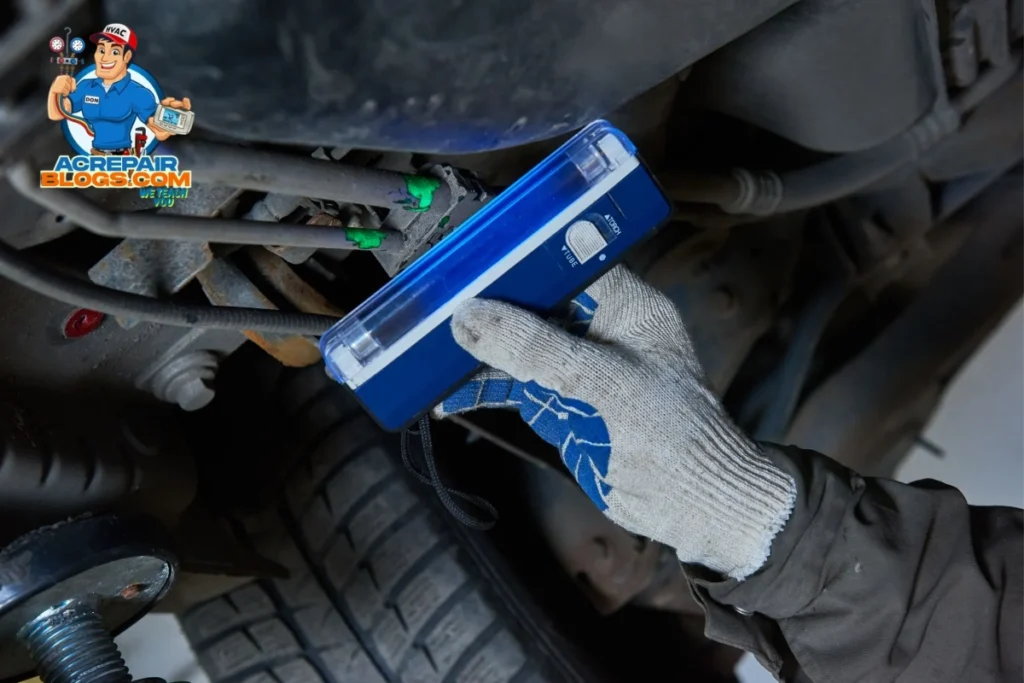
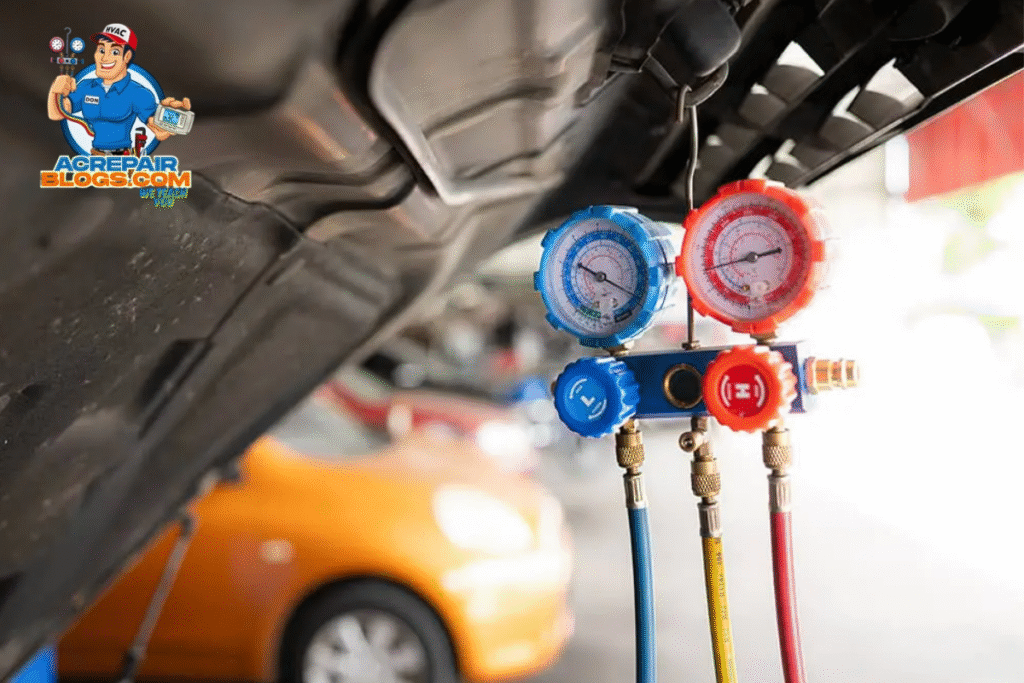
Detecting a leak isn’t always straightforward, but there are some practical AC leak detection tips that can help. One of the simplest methods is a visual inspection. Look for oily residue around AC components, as refrigerant often leaves behind a thin, greasy film when it leaks. Another approach is to monitor cooling performance. If your AC was working fine and suddenly starts losing efficiency, a leak is a likely culprit. For more accurate detection, professionals use UV dye or electronic leak detectors, which can pinpoint even the smallest leaks in the system.
It’s important to understand that refrigerant doesn’t “run out” like fuel. If your AC needs a recharge, it usually means there’s a leak somewhere. Simply refilling the refrigerant without fixing the leak is a temporary solution at best. The cooling might improve for a short time, but the problem will return, often worse than before. That’s why a proper car ac leak repair involves both detecting the source of the leak and fixing it permanently.
When it comes to fixing the issue, the solution depends on the location and severity of the leak. Minor leaks in hoses or connections can often be repaired or sealed, while more serious issues may require replacing components like the condenser or evaporator. In some cases, the compressor may also be affected, especially if the system has been running with low refrigerant for an extended period. If you’re dealing with compressor-related concerns, you can also check this detailed guide on car AC compressor issues and fixes to better understand how it connects with leak problems.
To give you a clearer picture, here’s a breakdown of common leak points and their typical solutions:
| Leak Location | Common Cause | Recommended Fix |
|---|---|---|
| Hoses & Connections | Wear, cracks, loose fittings | Tightening or replacing hoses |
| Condenser | Road debris, corrosion | Repair or replacement |
| Evaporator | Moisture buildup, corrosion | Replacement (complex repair) |
| Compressor Seals | Aging seals, pressure issues | Seal replacement or compressor fix |
Cost is another major concern for users searching for car ac leak repair near me. The truth is, the car ac leak repair cost can vary widely depending on the problem. Minor fixes like sealing a small leak or replacing a hose might be relatively affordable, while major repairs involving the evaporator or compressor can be significantly more expensive. Labor costs also play a big role, as some components are difficult to access and require more time to repair.
Here’s a general cost overview to help you set expectations:
| Repair Type | Estimated Cost Range |
|---|---|
| Leak detection service | $50 – $150 |
| Minor hose or seal repair | $100 – $300 |
| Condenser replacement | $300 – $700 |
| Evaporator replacement | $600 – $1200+ |
While these numbers can vary depending on your location and vehicle type, they highlight an important point: early detection saves money. Addressing a small leak quickly is far more affordable than waiting until multiple components fail.
Preventing AC leaks is just as important as fixing them. Regular maintenance can significantly reduce the risk of leaks and extend the lifespan of your AC system. Running your AC periodically, even during colder months, helps keep seals lubricated and prevents them from drying out. Keeping the condenser clean and free from debris also improves efficiency and reduces stress on the system. Most importantly, scheduling routine inspections with a professional ensures that potential issues are caught early.
Another often overlooked factor is the quality of repairs. Using low-quality parts or quick-fix sealants might seem like a cost-saving option, but they can lead to recurring problems. A proper car ac leak repair should always involve high-quality components and thorough testing to ensure the system is fully sealed and functioning correctly. This not only restores cooling performance but also protects other parts of the AC system from damage.
For users searching online for car ac leak repair near me, choosing the right service provider is crucial. Look for experienced technicians who use advanced diagnostic tools and provide clear explanations of the problem and solution. Transparency in pricing and a warranty on repairs are also good indicators of a reliable service. Remember, a good repair job isn’t just about fixing the current issue it’s about preventing future problems as well.
At the end of the day, dealing with a car AC leak can feel overwhelming, but it doesn’t have to be. Understanding the symptoms, causes, and solutions puts you in control and helps you make informed decisions. Whether it’s a minor leak or a more serious issue, taking action early ensures your AC system stays efficient, reliable, and ready to keep you cool when you need it most.
Clear Takeaway: A car AC leak is not just a minor inconvenience it’s a problem that worsens over time, affecting performance and increasing repair costs. By recognizing early signs, following smart AC leak detection tips, and opting for timely car ac leak repair, you can save money, avoid major breakdowns, and maintain a comfortable driving experience.